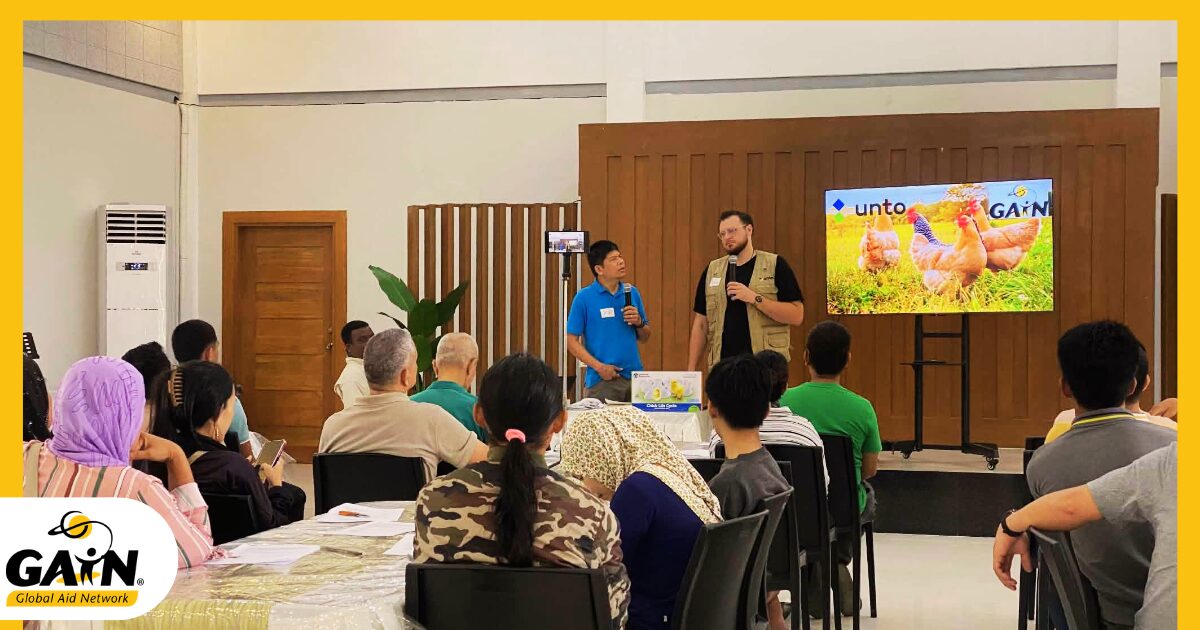
Recently, over 20 participants from communities across the Philippines—Zamboanga, Davao, Marawi, and beyond—gathered in Iligan for a workshop on how to raise chickens. They came ready to learn, ready to build, and ready to change their lives.
This workshop—the Rhode Island Chicken Raising Workshop—was a joint effort between GAiN Philippines and UNTO.
More Than Just Chickens
At a first glance, chicken-raising may seem pretty straightforward. But this program was about so much more than just livestock—it was about creating pathways to economic independence for families who’ve been locked out of opportunity.
For many participants, this training was the first time they ever had access to comprehensive business and agricultural education. This is the first time they’ve had startup resources to launch an income-generating project. This is the first time someone has invested in their capacity to provide for themselves.
And the impact of these few baby chicks ripples far beyond the individual. When families generate sustainable income, children stay in school, health improves, communities grow stronger. The cycle of poverty begins to break.
What the Training Covered
The Rhode Island Chicken Raising Livelihood Training is a comprehensive, practical training designed for immediate implementation. Over the course of the program, participants learned:
- Chicken-raising techniques: From selecting breeds to managing growth cycles, participants gained hands-on knowledge on sustainable chicken farming
- Breeding practices: Participants discovered how to breed chickens for optimal health and productivity, ensuring long-term viability in their operations.
- Feed management: Participants learned how to balance nutrition and cost, maximizing growth while maintaining profitability.
- Disease prevention: Participants gained critical knowledge on identifying, preventing, and treating common poultry diseases to protect their investment.
- Business development: Participants learned how to turn their chicken-raising operations into sustainable businesses—tracking expenses, managing profits, and planning for growth.
The workshop didn’t just end with information. The participants received baby chicks to breed and raise, launching their income-generation operations immediately.
This combination of training and startup support is what makes livelihood programs effective. Knowledge without resources is incomplete. Resources without knowledge are unsustainable. But when both come hand-in-hand, you create an opportunity for lasting change.
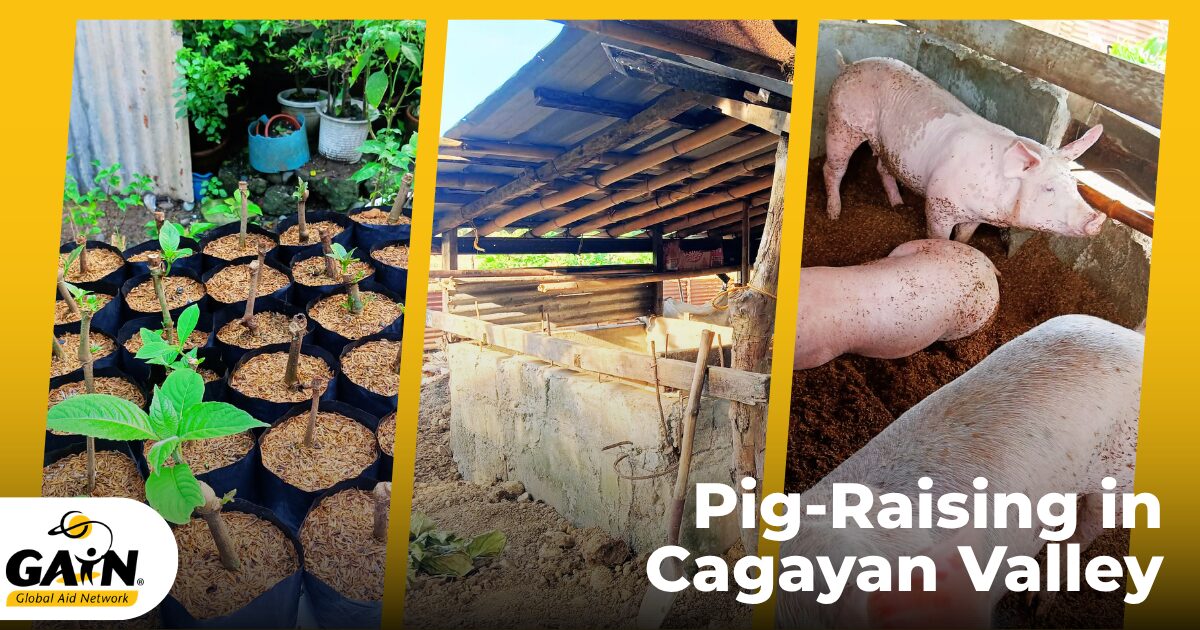
Read next: Our other livelihood program—pig-raising in Cagayan Valley.
What Comes Next After Learning
The training may be complete, but the journey is just beginning. Participants are returning to their communities with their baby chicks, the knowledge that they just gained, and a clear plan for building sustainable income.
In the months ahead, these families will breed and raise their chickens, generating income that will support education, healthcare, and their day-to-day lives. They’ll observe the outcomes and reinvest their operations as they expand and grow their businesses. And through that, they’ll become a model in their communities—the living proof that sustainable change is possible.
How You Can Support This Work
This Rhode Island Chicken-Raising Workshop was the first—but GAiN PH and UNTO’s goal is to extend it further. We plan to make this the model program for future similar livelihood programs on raising chickens—and in doing this, create economic opportunities for families who want to break out of the cycle of poverty and build a sustainable future for themselves.
For this to happen, we need people like you—supporters who believe in empowerment, dignity, and sustainable change.
Here’s how you can be a part:
Subscribe to our newsletter to receive updates as they come. Follow us also on our social media channels, Facebook and LinkedIn.
If you are a business or organization looking for a community-focused CSR, let’s talk about how you can partner with us.
Share this post to help us reach more people or donate your resources so we can keep doing programs like this.
Together, we’re not just providing training. We’re building futures.
0 Comments